Unsent Project Wayback Machine: Relive Lost Messages
You’ve felt it, that knot-tight moment when your fingers betray you: spilling out an “I’m sorry I vanished when you needed me” or “I miss the way you made mornings less gray” or “Thanks for being the anchor I didn’t know I craved.” The screen glows like a dare, thumb trembling over send… and then, nope. You backspace, bury it in drafts, or just let the battery blink out. That unsent whisper doesn’t dissolve—it haunts, a soft ghost in the back of your mind.
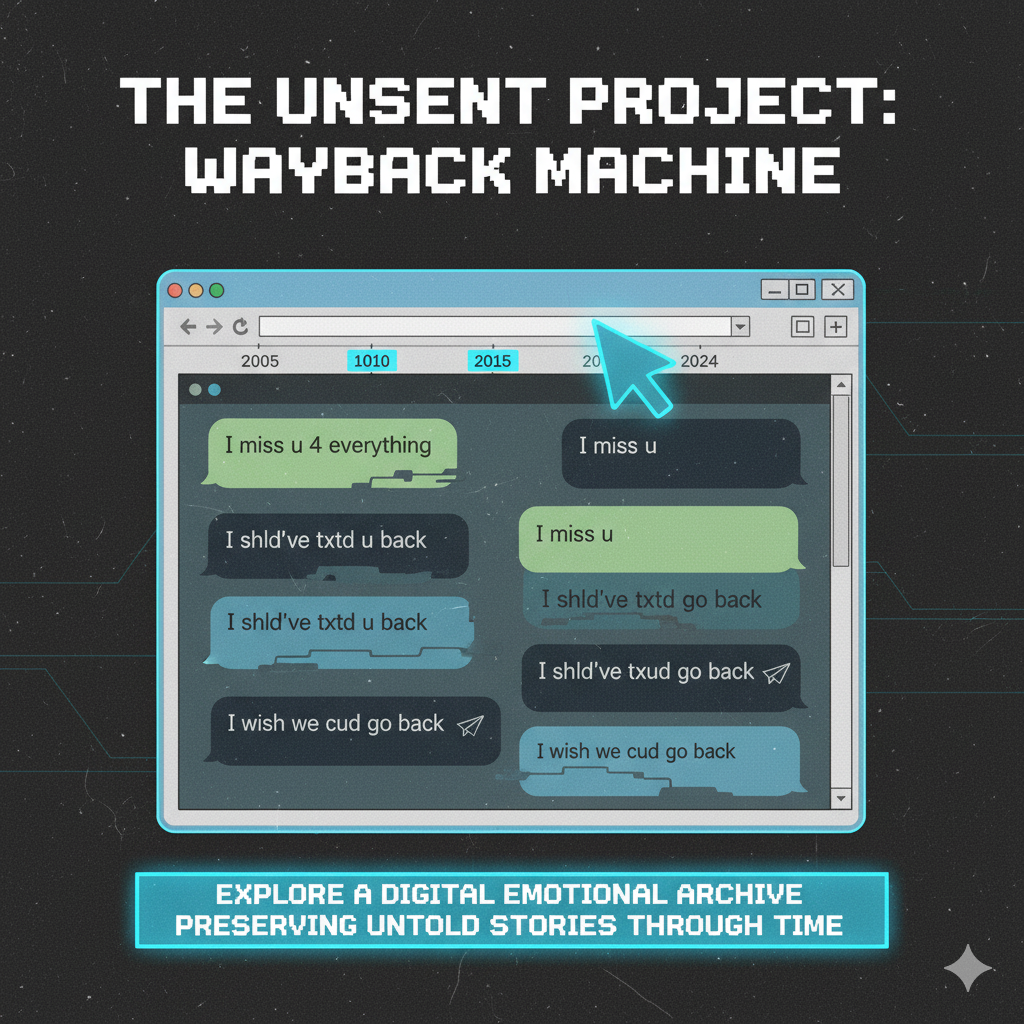
Now imagine chasing that ghost through time: pulling up faded snapshots of the site where it might’ve lived, hunting for lost lines, redesigned layouts, or the echo of entries that evaporated. That’s the wild, wistful world of the Unsent Project Wayback Machine—this unofficial, user-driven quest through archived versions of The Unsent Project site, using tools like the Internet Archive’s Wayback Machine to reclaim what’s been wiped, tweaked, or time-forgotten. It’s part detective work, part emotional archaeology, a way to sift through the digital dust for your almost-sent ache.
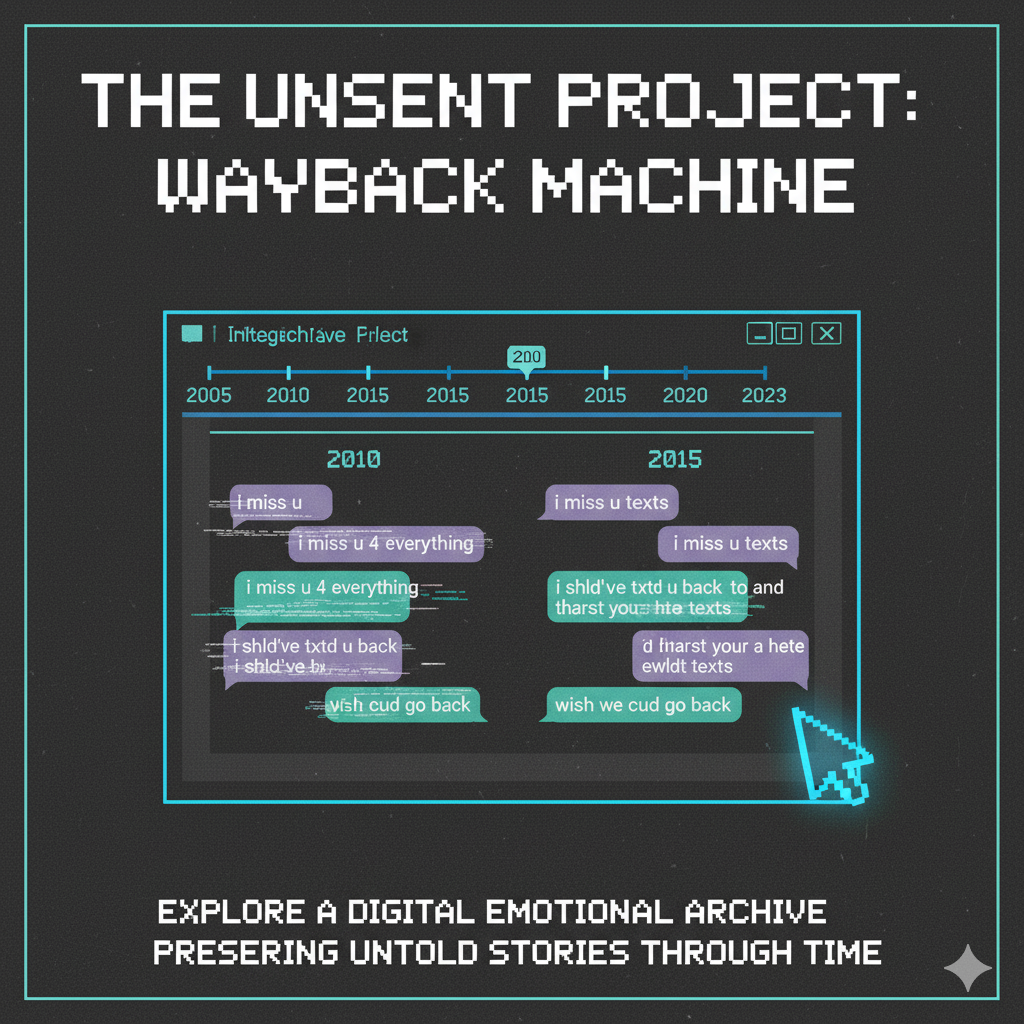
Here, we’ll unpack it all: a quick grounding in the Unsent Project site itself, why folks dive into its archived ghosts, how the Wayback Machine even works for something as slippery as unsent confessions, tips to make your hunt hum, the treasures (and traps) you might unearth, the raw feels and ethical edges of the chase, and what it all whispers about our tangled tango with unsent words in an era of “delete all” and “archive everything.”
Understanding the Unsent Project Website Before the Time-Machine Dive
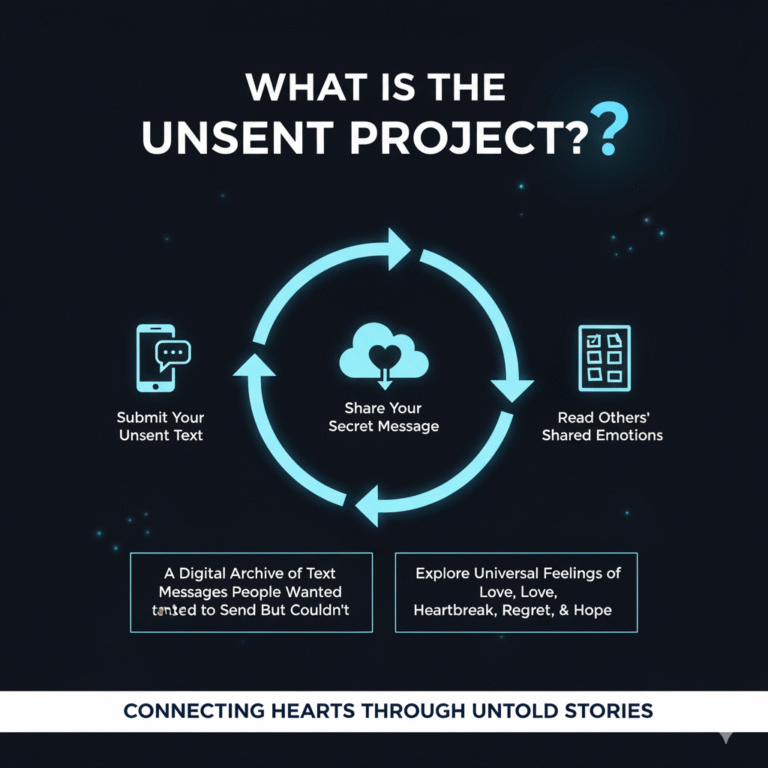
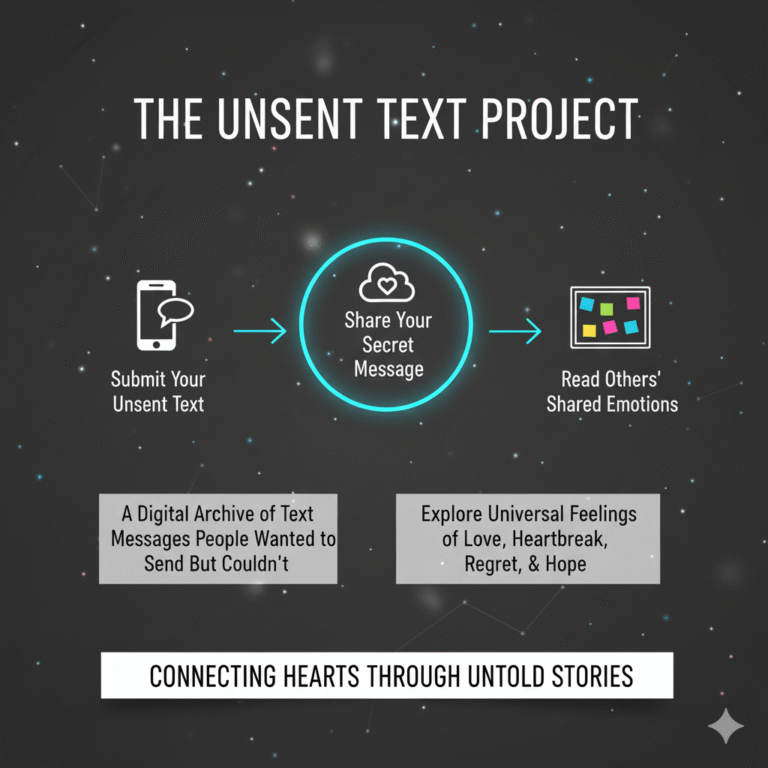
Before we strap on the DeLorean and rewind, let’s linger in the now: what is The Unsent Project site, anyway? It’s this raw, anonymous vault for texts you typed but never launched—confessions that curdled, apologies that arrived too late, thank-yous that stayed thankless. You spill your unsent note, slap a color on it that matches the mood (teal for tentative thaw, crimson for the still-scorching), and let it float into the mix, nameless and free. Then you can poke around the millions-strong archive: hunt by name (yours? theirs?), filter by hue (all the bruised blues?), or just let the feed unspool like a late-night confessional.
It’s not a chat log or a delivery drone; it’s the anti-send—public without the punch of personal. But sites aren’t statues; they shift. The Unsent Project’s no exception—design tweaks, moderation muscle-ups, search tweaks, policy pivots. That flux is what makes the “Unsent Project Wayback Machine” a siren call. And the unsent life? It’s fragile from jump: entries vanish in purges, moderation mazes, or mystery. Forums buzz with “I swear I submitted it, but poof—gone.” That’s the itch the Wayback scratches: a shot at snagging what slipped away.
Why Archive the Unsent Project? The Emotional & Technical Logic
Why chase faded pixels of a feelings-dump site? Because the sting of unsent isn’t just the words—it’s the whisper of “did it even matter?” You typed it, maybe submitted it, felt a flicker of “finally,” then… nothing. Gone, rewritten, invisible. The “Unsent Project Wayback Machine” is that flicker fighting back, a mash-up of heartstrings and hyperlinks that says, “Let’s see if we can find what faded.”
Emotionally, it’s a balm for the bruise: spotting your line (or one that echoes it) in a 2018 snapshot? Validation rush—“It was real, it lived.” Tech-wise, it’s clever: the Wayback Machine’s bot army snapshots sites over time, freezing frames for future peeks. For unsent hunters, it’s:
- Proof of pulse: “My message was there once; it counted.”
- Peek at the pivot: from wild-west wildcards to tighter terms, watching the site stretch and snap.
- Digital defiance: in a delete-happy web, archives arm us against amnesia.
- Nostalgia nudge: folks miss the looser days—“It used to feel freer, less filtered.” Wayback’s their time capsule.
It’s not just code-crunching; it’s closure-craving, a way to wrestle with loss by logging in.
How the Wayback Machine Works (and Implications for Unsent Message Retrieval)
The Wayback Machine? It’s the internet’s attic, crammed with cobwebbed snapshots of sites from yesteryear. Run by the Internet Archive, it dispatches digital spiders to crawl and capture pages—HTML, CSS, images—whenever they swing by. Punch in a URL like theunsentproject.com, and bam: a calendar blooms with blue dots marking “we nabbed this on this day.”
Click a dot—say, 2016-03-15—and you’re staring at the site as it was: clunkier colors, looser layout, maybe your unsent lurking in the live feed. But it’s not flawless:
- Snapshots skip the squishy stuff: dynamic databases, search results, user-specific pulls—often ghosts in the machine.
- Coverage’s patchy: some dates dot-dense, others barren. Sub-pages? Hit or miss.
- Pre-delete purgatory: if your entry got yanked before the crawl, it’s vapor.
- Functionality flop: search boxes stare blank, colors load wonky—static frame, not full flick.
For unsent sleuths, it’s promise with pitfalls: you might unearth a teal “To [Your Name]…” from 2020. Or just a faded UI that whispers “it was simpler then.” Implications? It’s emotional roulette—thrill of the find, sting of the skip. But even a blank snapshot says something: your unsent’s part of a story bigger than one line.
Why People Search for the “Unsent Project Wayback Machine”
What sends someone typing “Unsent Project Wayback Machine” into the void at midnight? It’s rarely casual; it’s that gnaw of “what if it’s lost forever?”
- Lost submission fear: You submitted, felt lighter… then poof—gone from search. Was it scrubbed? Purged? Wayback’s your “prove it lived” prayer.
- Nostalgia for previous UI: “It used to be freer, wilder—fewer rules, faster feels.” Folks miss the pre-moderation magic; snapshots are their time-warp ticket.
- Research and analysis: Curious cats (writers, students) map the morph: color tweaks, term twists, moderation muscle. Wayback’s their historian’s hammer.
- Community discussion: Reddit’s rife with “I swear it was there—try the archive!” threads, turning hunts into shared sagas.
- Sense of ownership: Your unsent was a brave spill; if it’s invisible now, it feels invalidated. A snapshot says, “You were here; it echoed.”
It’s not just tech tinkering—it’s tenderness for the tender, chasing closure through code.
Techniques for Using the Unsent Project Wayback Machine
Ready to rewind? It’s part sleuth, part hope—here’s the gentle guide.
You kick off at archive.org/web, punch in theunsentproject.com, and a timeline twinkles with blue dots—captures calling like old friends. Spot a cluster around your submit date (say, March 2020 for that teal “To Jordan…”)? Click in.
The snapshot loads—maybe glitchy, but there: the old header, the color picker, the feed’s familiar flow. Hunt the name box or “search your name” nudge; type “Jordan” and cross fingers (it might fizzle, but try). Stuck? Scroll the static stream or tweak the URL—“/archive/color/teal”—and reload the time capsule.
If it yields a hit (a near-match “To Jordan… I still hear your laugh in the rain”), screenshot like it’s gold—proof your whisper once waved. No dice? Pivot dates—2020-04, 2019-11—or flip to color pages. Patience is key; it’s a mosaic, not a map.
Remember: this isn’t a surefire summon. It’s exploration with echoes—pause when it pinches, celebrate the glimpse. The “Unsent Project Wayback Machine” isn’t magic; it’s memory-muddling, a way to wrestle with “gone” by googling the ghost.
What You Might Find (and What You Might Not) via Archived Snapshots
This is treasure-hunt territory—euphoria or empty, depending on the dot.
What you might find
- A flicker of your line: “To [You]… I wish I’d fought harder,” frozen in 2018 teal.
- UI whispers: looser layouts, wilder colors, pre-policy purity.
- Proof of pulse: submission tallies, color waves, banners begging for backlog help.
- Older vibes: freer feeds, fewer filters, the site’s scrappier soul.
What you might not find
- Your exact echo: if it never surfaced or got scrubbed pre-crawl, it’s vapor.
- Working wizardry: search blanks, filters flop—static, not streaming.
- Full fidelity: broken images, missing mods—frame, not film.
- Eternal access: sites block bots; old grabs can glitch or ghost.
It’s possibility laced with “maybe”—a thrill for the find, a gentle “not this time” for the miss. The hunt heals more than the haul.
What the Archive Reveals About the Unsent Project’s Evolution
Leaf through snapshots, and it’s like watching a friend grow up—awkward, ambitious, a little scarred.
Early days (2015-2017): Bare-bones bliss. Submit, shade, surf—loose, lively, like a house party before the rules kicked in. Forums fondly recall “instant ink”; no heavy hand on the gate.
Mid-stretch (2018-2021): Boom time. Millions mount, search sharpens, mobile molds in. But cracks creep: spam surges, moderation muscles up. Banners beg “donate for the deluge”; queues quiet the quick.
Now-ish (2022-2025): Polished but pinched. Terms tighten, one-a-day dawns, review riddles linger. Pre-July-2023 purges pop in posts; colors calm, curation calls the shots. It’s from free-for-all to feeling-fortress.
Wayback doesn’t just date-dump; it digs deep—how openness ossified into order, vulnerability vaulted but veiled. Your unsent’s not just a line; it’s a timeline.
Emotional & Ethical Dimensions of Hunting The Unsent Project via Wayback
This isn’t casual surfing; it’s a feeling-fueled forage, tender as a bruise.
Emotional Triggers
Spotting your unsent (or a too-close twin) at 2019’s dot? Euphoria crash— “It mattered!” Blank? Ache amplified—“Erased again?” The hunt can heal or hollow; fragile? Float light.
Respecting Anonymity
These are strangers’ secrets, even in snapshots. Screenshot a “To [Random Name]…”? Keep it close—no viral “look what I dug up.” They spilled for the site, not the spotlight.
Consent and Context
Entries aired under old terms; a 2016 line might cringe in 2025 light. Peek with kindness, not plunder—preservation vs. prying.
Archival Ethics
Wayback’s public, but sites whisper “no” via code. If the Unsent Project nixed crawls, honor the hush. It’s memory’s muddle: save or shadow?
Case Studies: What Users Report via Wayback & The Unsent Project
Real hunts, real hearts.
That Reddit wanderer: “Pre-restart, I found ‘I miss your poems’ to ‘Lyrik’—from Emma, my game-crush poet. Wayback gave it back.” Tears, but tinged with thanks.
The nostalgia nomad: “2017’s wild colors, free-for-all feed—wayback screenshots for my ‘it was freer’ rant.” Not a line, but a lost love letter to the site.
The researcher’s ramble: “Tracing color crunches from 2021-2023—snapshots as slides for my ‘feelings in flux’ thesis.” Academic ache, but illuminating.
It’s not always the win; sometimes the wander wounds. But the search? That’s the story.
Limitations and Realistic Expectations
No crystal ball—just cobwebs and chance.
- No guarantee of capture: Wayback might’ve missed your moment; bots blink.
- Dynamic content missing: Search fizzles, feeds flatline—static, not surviving.
- Submission may never have been published: If it stalled in mods, it’s vapor from jump.
- Time & frustration: Tedious dots, dead ends—patience or perish.
- Emotional risk: “No” can echo louder than “yes”; brace for the blank.
Hope’s the hook, humility the harness. The “Unsent Project Wayback Machine” is a whisper, not a roar.
Step-By-Step: Trying the Unsent Project Wayback Machine Search
Let’s map the maze.
You recall dropping “To Jordan…” in teal, March 2020. Fire up archive.org/web, key in theunsentproject.com. Timeline twinkles—dots dance around 2020-03.
Click one. Site shimmers in: old header, hue-heavy feed. Name box? “Jordan.” Crickets? Scroll the stream or tweak to “/archive/color/teal”—reload the relic.
Hit? Screenshot the shimmer—a “To Jordan… I still hear your laugh in the rain,” dated close. Heart flutters: “It lived.”
Miss? Pivot—2020-04, 2019-11—or flip to color pages. Breathe through the blank; it’s not nothing, it’s next.
No luck? Still a win: you glimpsed the glow-up, felt the flux. The plunge is the point; the plunder’s the prize.
What the Unsent Project Wayback Machine Says About Digital Memory & Unsent Words
This mash-up’s a mirror for our messy online souls.
Preservation of What We Didn’t Say
We hoard highlights; this hoards hesitations. Wayback whispers: unsent’s not ephemeral—it’s echo-worthy, a digital dirge for the deleted.
Platform Evolution & User Sentiment
Sites shift; feelings fester. Snapshots study the stretch—from freefall to fenced-in—mapping moods in mods and menus.
Appropriation of “What If” as Archive
Our “almosts” are air; this airs them. From private “what if” to public “what was,” it’s unsent upgraded to undead.
Digital Immortality & Loss
Delete’s the default; Wayback’s the warden. Unsens twice-fragile get pseudo-eternal—pause preserved, not pulped.
Future Potential: Where “Unsent Project Wayback Machine” Could Lead
This hunt’s just heating up.
- Refined rewind: site-side “history mode”—dropdowns to old UIs, “see it as it was.”
- Community caches: fan-forged “lost lines” wikis, crowdsourced snapshots.
- Academic aches: theses tracing teal tides, regret ratios over redesigns.
- Linkage loops: “Your 2018 entry? Wayback’d here”—built-in bridges.
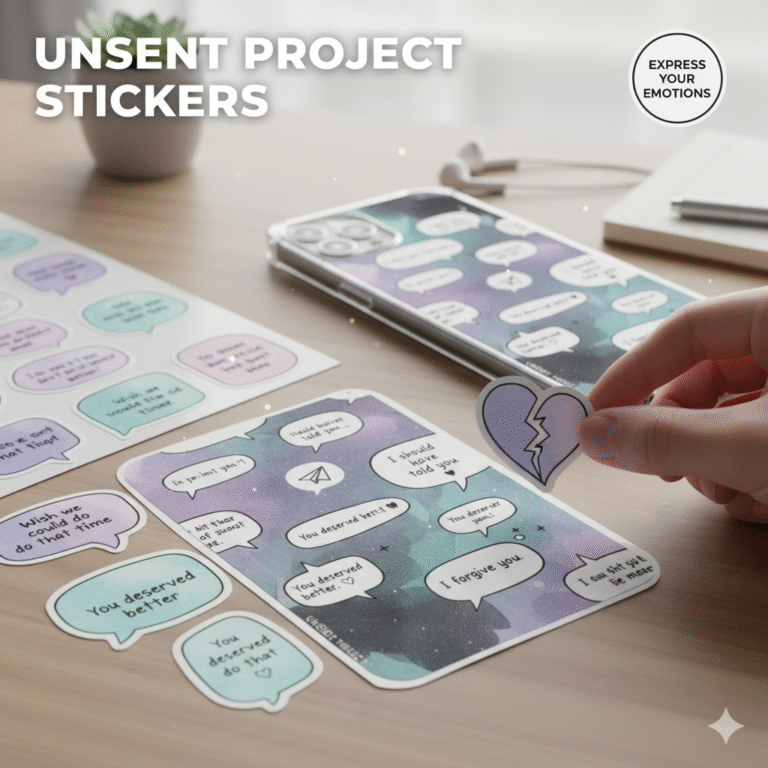
- Physical pauses: print-on-demand “pause portfolios,” nostalgia notebooks of old feeds.
“Unsent Project Wayback Machine” isn’t a phrase; it’s a philosophy—preserving the pause in a delete-deluge world.
Frequently Asked Questions
Final Reflection: Carrying the Unsent & Archived Forward
The Unsent Project Wayback Machine straddles two silences: the unsent you swallowed, the site you sighed over. One’s raw ache, the other’s archived ash—together, a study in feeling forgotten.
Hunt a snapshot, snag a shade of “it was there,” and it’s not revival; it’s reckoning. No find? Still a nod: your unsent wasn’t vapor—it vaporized a ripple. The archive and the Wayback weave a web: pause preserved, not pulped.
So thumb the timeline. Name the name. Scroll the shade. If it surfaces, savor. If not, know: the unsent’s immortal in its ache. You typed it. It echoed. And in the quiet click of Wayback, it echoes still.